
The Keys of Florida
The Florida Keys archipelago is surrounded by the 2,900 square nautical mile Florida Keys National Marine Sanctuary. Designated as a protected area in 1990, it is home to some of the most endangered marine life on Earth and encompasses the third-largest barrier reef system in the world.


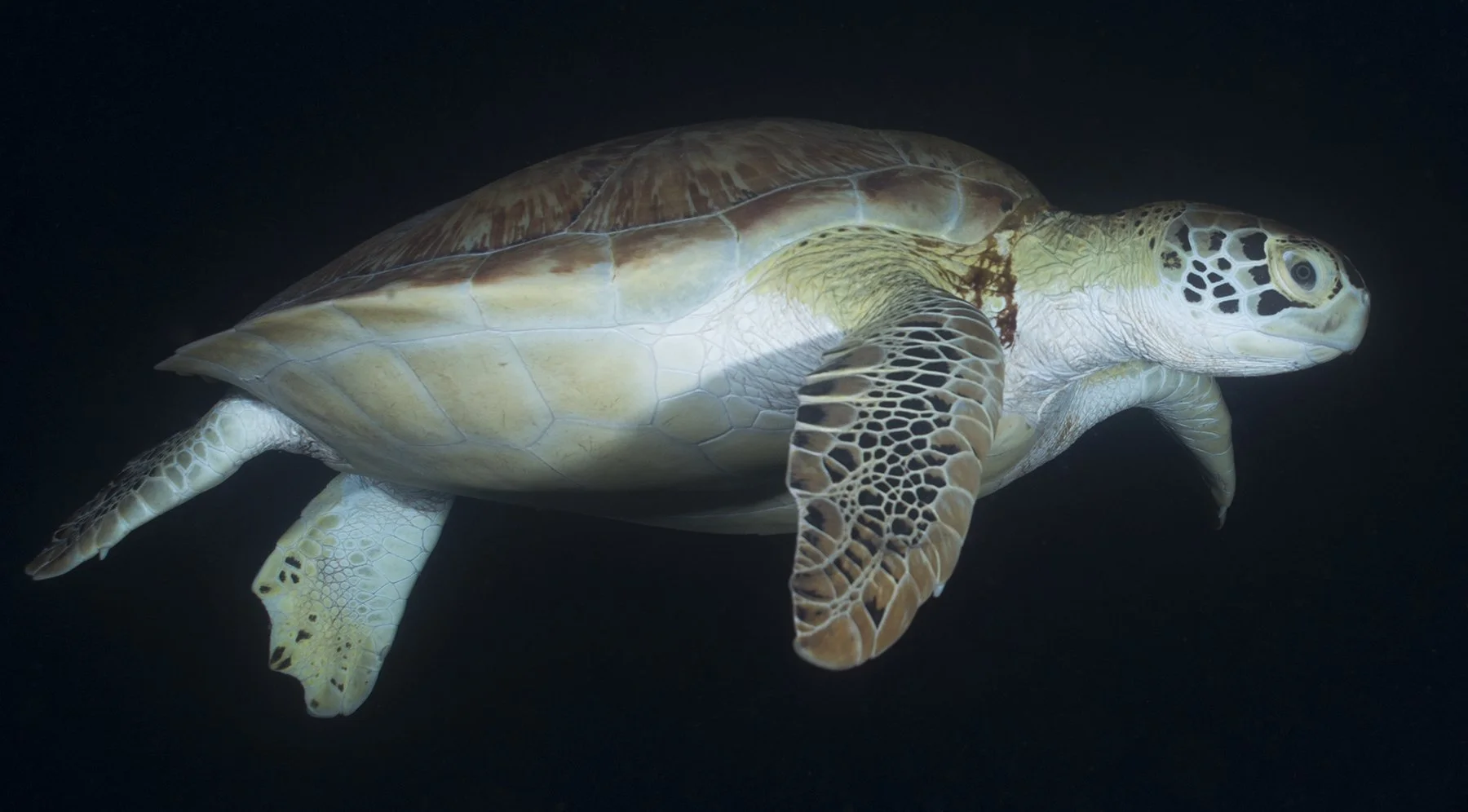


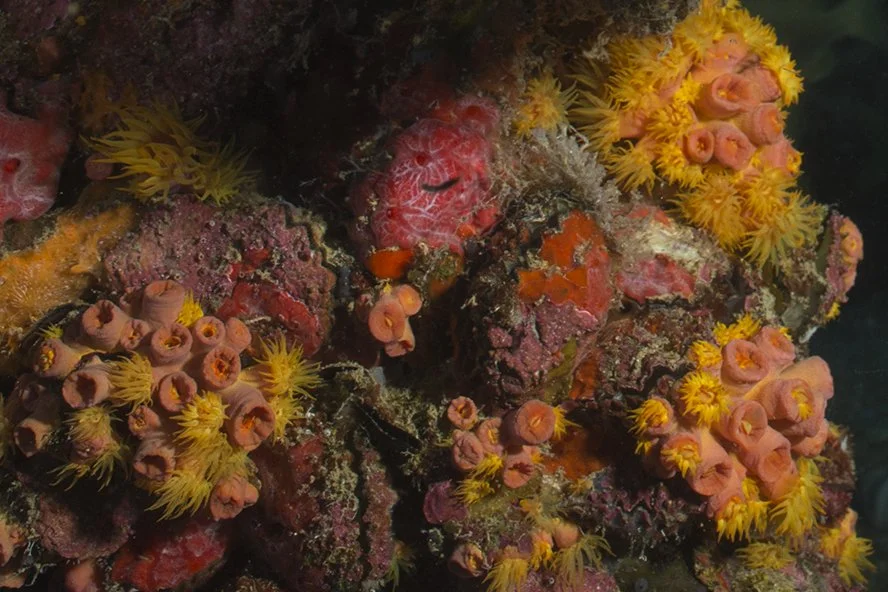


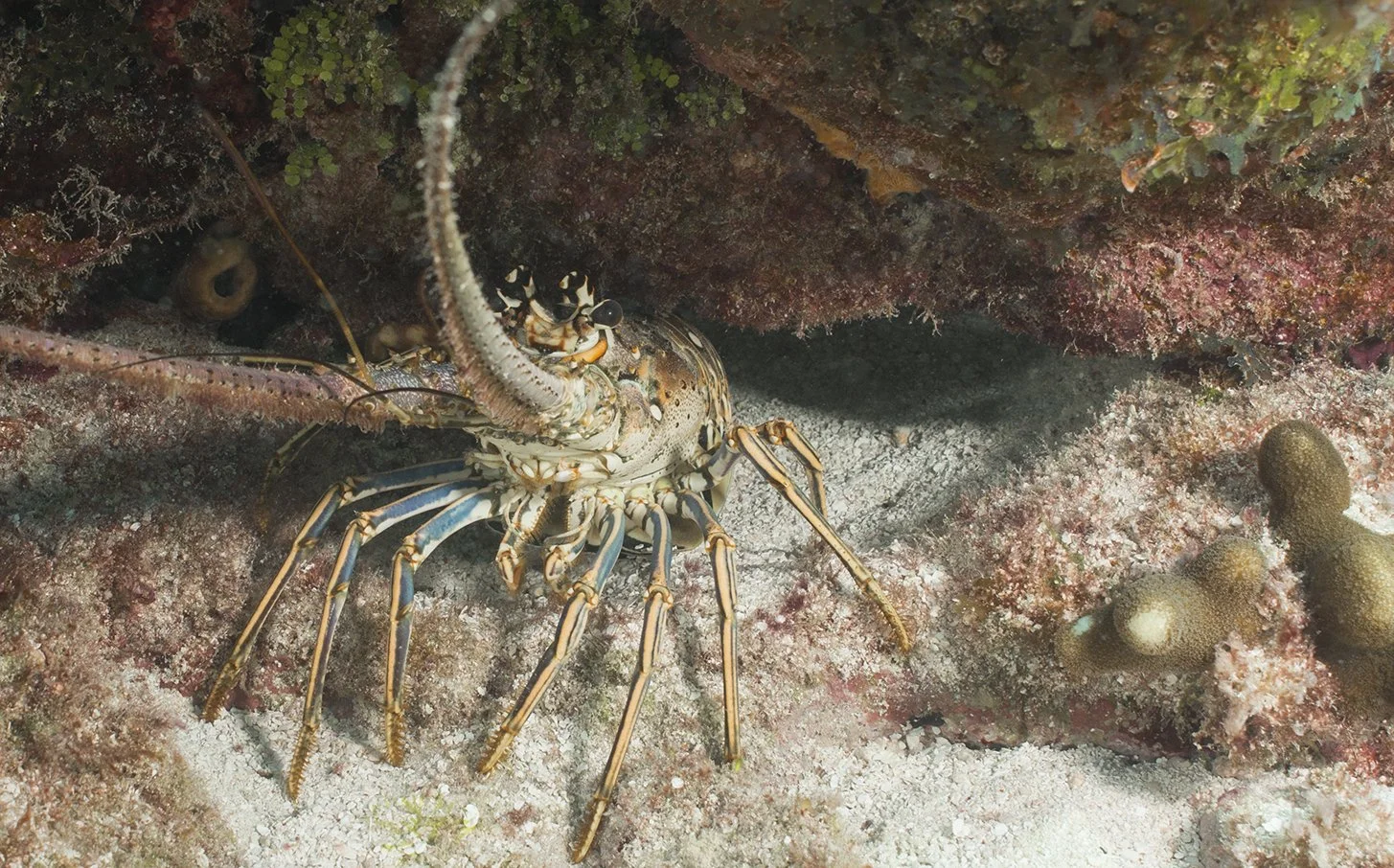


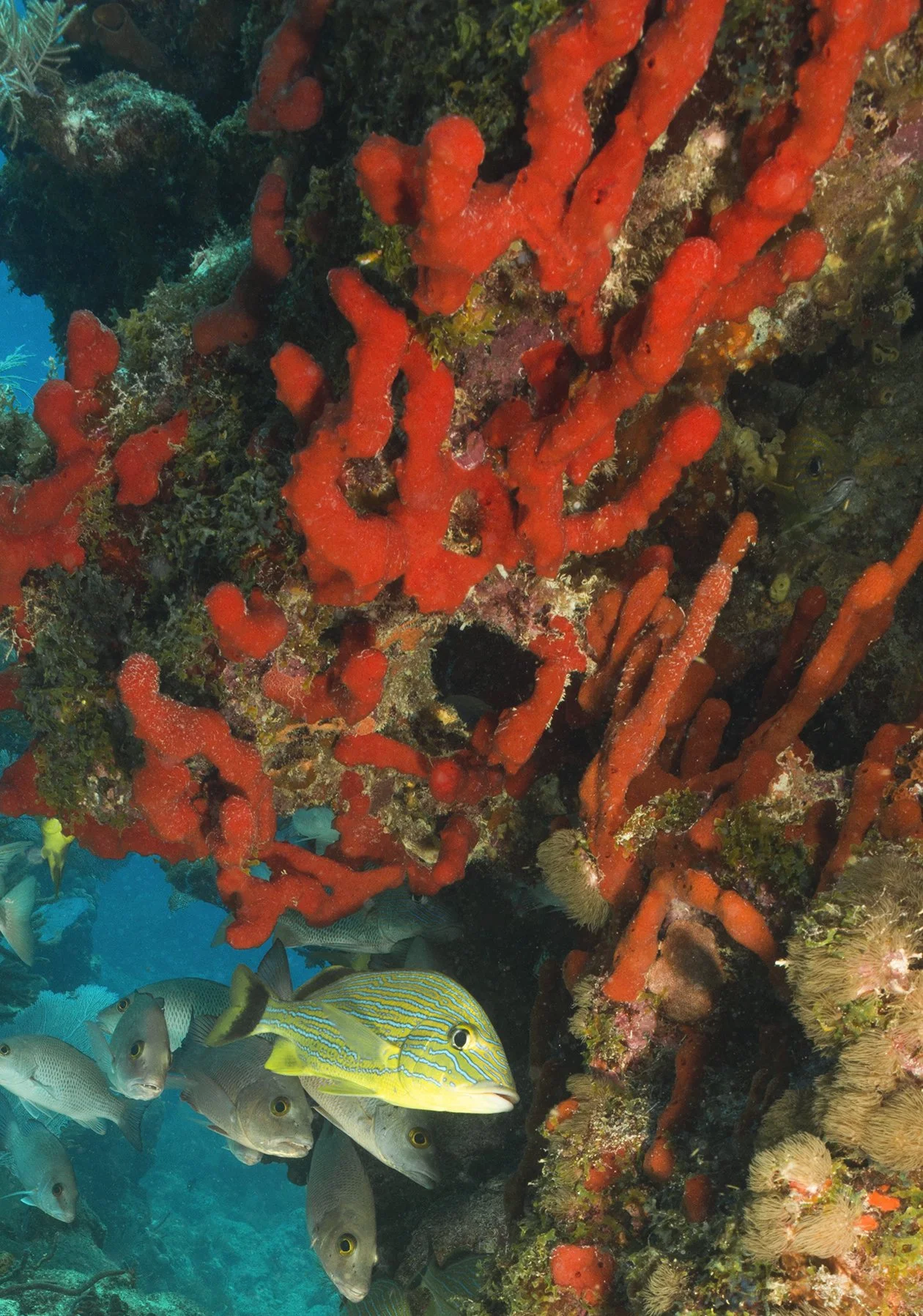
The coral reefs of the Florida Keys are dominated by hard corals such as elkhorn coral, staghorn coral, brain coral, star coral, pillar coral, and boulder coral. Soft corals, including sea fans, sea whips, and sea rods, add vibrant colors and movement to the reef environment. These corals create complex underwater structures that support countless forms of marine life. The reefs are inhabited by a wide variety of fish species. Divers and snorkelers commonly encounter blue tangs, yellowtail snapper, mutton snapper, schoolmaster snapper, French grunts, porkfish, parrotfish, angelfish, butterflyfish, wrasses, sergeant majors, barracuda, and groupers. Larger predators such as blacktip sharks, nurse sharks, reef sharks, and great barracuda patrol the reef edges and deeper channels. The seagrass meadows and mangrove habitats support species including bonefish, permit, tarpon, snook, red drum, and juvenile reef fish. These nursery areas are essential for the survival of many reef species during their early life stages. The seagrass beds also provide food for green sea turtles and manatees.
Philips Quarry
Philips Outdoor Center is a non-profit dive facility and Nature Center emphasising on environmental education, safety and recovery. Philips offers many low cost educational opportunities for local school children and college students as well as the general public. We supply all your diving needs.


Phillips Quarry is home to several freshwater fish species, you will find paddlefish, largemouth bass, catfish, bluegill, and other native Indiana fish. Divers frequently observe paddlefish, bass, and catfish throughout the quarry's clear waters, making it one of Indiana's most unique freshwater diving locations.
The life cycle of a bluegill begins when adults spawn during late spring and summer, when water temperatures reach 67–80°F. Male bluegills build circular nests in shallow water and aggressively guard the eggs after females deposit them. The eggs hatch within 2–5 days, producing tiny larvae that remain near the nest while absorbing nutrients from their yolk sacs. As the young fish grow they begin feeding on zooplankton, aquatic insects, and other microscopic organisms before moving into deeper water. Juvenile bluegills continue to grow by feeding on insects, small crustaceans, and plant material, reaching sexual maturity in about 2–3 years. Adult bluegills can live 5–8 years, and sometimes longer repeatedly spawning each year and serving as an important food source for larger fish such as bass and catfish.